What Are Biodegradable Carry Bags Made Of? PBAT, PLA and Cornstarch Explained
- Share
- publisher
- Rachel
- Issue Time
- Oct 9,2026
Summary
Learn what biodegradable carry bags are made of. Compare PBAT, PLA and starch blends, explore common applications, and find raw materials and finished bags from Torise.
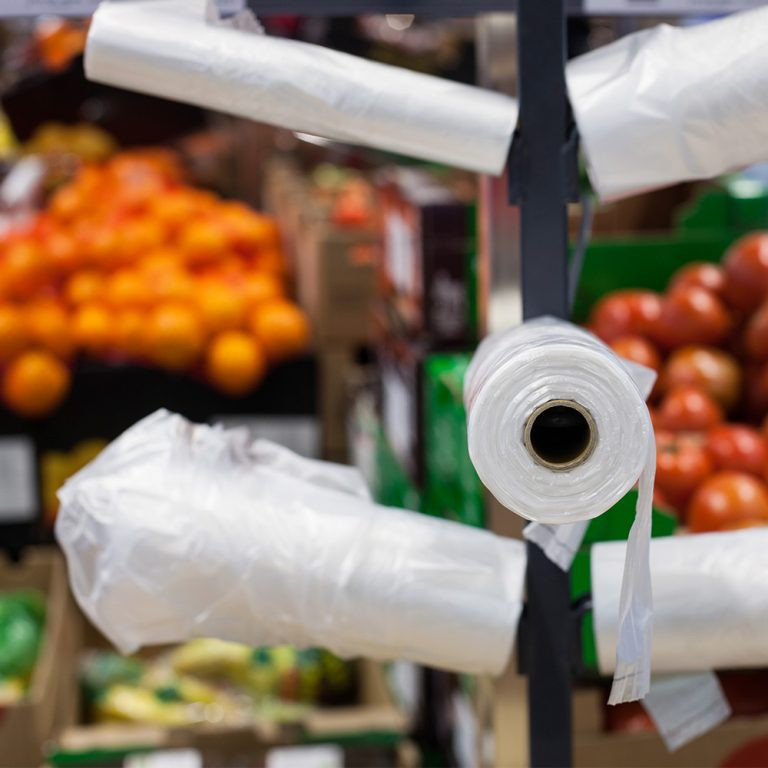
What Are Biodegradable Carry Bags Made Of? PBAT, PLA and Cornstarch Explained
Biodegradable carry bags are commonly made from PBAT, PLA, starch-based materials, or blends of these ingredients. The exact formulation affects the bag's flexibility, strength, durability, and compostability.
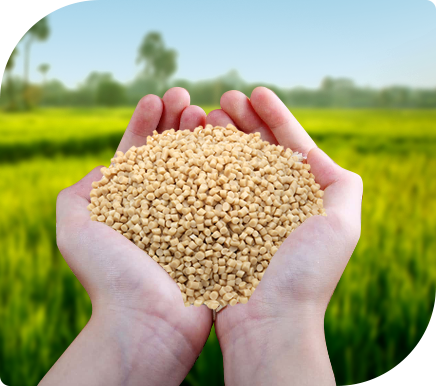
For retailers, supermarkets, packaging distributors, and wholesale buyers, understanding these raw materials helps when comparing products and choosing a reliable biodegradable carry bags manufacturer.
1. What Raw Materials Are Used in Biodegradable Carry Bags?
Three materials are commonly used in biodegradable and compostable bag formulations: PBAT, PLA, and starch-based materials.
PBAT (Polybutylene Adipate Terephthalate)
PBAT is a flexible, biodegradable polyester widely used in flexible film applications. It helps provide flexibility, toughness, and tear resistance, making it useful for shopping bags and other flexible packaging.
PLA (Polylactic Acid)
PLA is a bio-based polymer typically produced from renewable resources such as corn-derived sugars. It can contribute stiffness and renewable content to a material blend, but it is generally more brittle than PBAT in flexible film applications.
Cornstarch
Cornstarch is a plant-derived material used in certain biodegradable and compostable blends. It can increase the renewable content of a formulation, but its presence alone does not guarantee that the finished bag is biodegradable, compostable, or strong enough for a particular application.
Why Are These Materials Often Blended?
PBAT, PLA, and starch have different properties. Manufacturers combine them in different proportions to balance flexibility, strength, processing performance, cost, and end-of-life requirements.
There is no single formula suitable for every carry bag. The right formulation depends on the bag's dimensions, carrying load, thickness, intended use, and required certification.
Biodegradable Raw Materials Supply from Torise
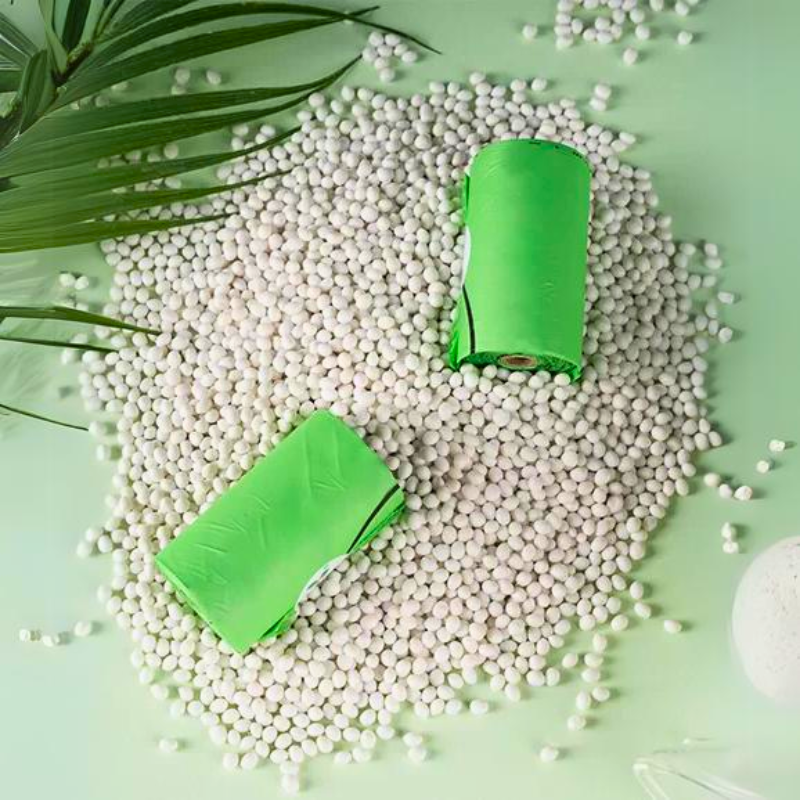
Torise supplies biodegradable and compostable raw material solutions for manufacturers developing or producing flexible bags. Depending on project requirements, available options may include PBAT-based blends, PLA-containing formulations, and starch-based blends.
Buyers can discuss material specifications, processing requirements, and intended applications with Torise to identify suitable options for their production needs, whether they are developing new bag formulations or sourcing materials for existing manufacturing processes.
2. Which Material Is Best for Biodegradable Carry Bags?
The best choice depends on the product's intended application rather than the raw material name alone.
| Material or Blend | Common Market Applications | What Buyers Should Check |
|---|---|---|
| PBAT-based blends | Compostable shopping bags, carry bags, and garbage bags | Flexibility, tensile strength, tear resistance, and carrying load |
| PBAT/PLA blends | Compostable shopping bags, retail bags, and flexible packaging films | Flexibility, stiffness, tensile strength, and film performance |
| PBAT/Starch (TPS) blends | Compostable shopping bags, grocery bags, and garbage bags | Mechanical strength, moisture sensitivity, processing requirements, and storage stability |
| PBAT/PLA/Starch blends | Potential applications include compostable carry bags and other flexible film products, depending on formulation | Film strength, flexibility, moisture resistance, processing performance, and applicable certifications |
These are examples of material combinations and their common or potential applications in the market. Actual performance and suitability depend on the specific formulation, material ratios, processing conditions, and finished-bag design. Torise's formulations may differ from conventional market blends, so application suitability should be confirmed against the relevant product specifications and test results.
For most purchasing decisions, ask the supplier for material specifications and test results instead of choosing a product based only on its raw materials.
3. How Do You Choose Raw Materials for Different Carry Bags?
Before requesting a quotation, identify how the bag will be used.
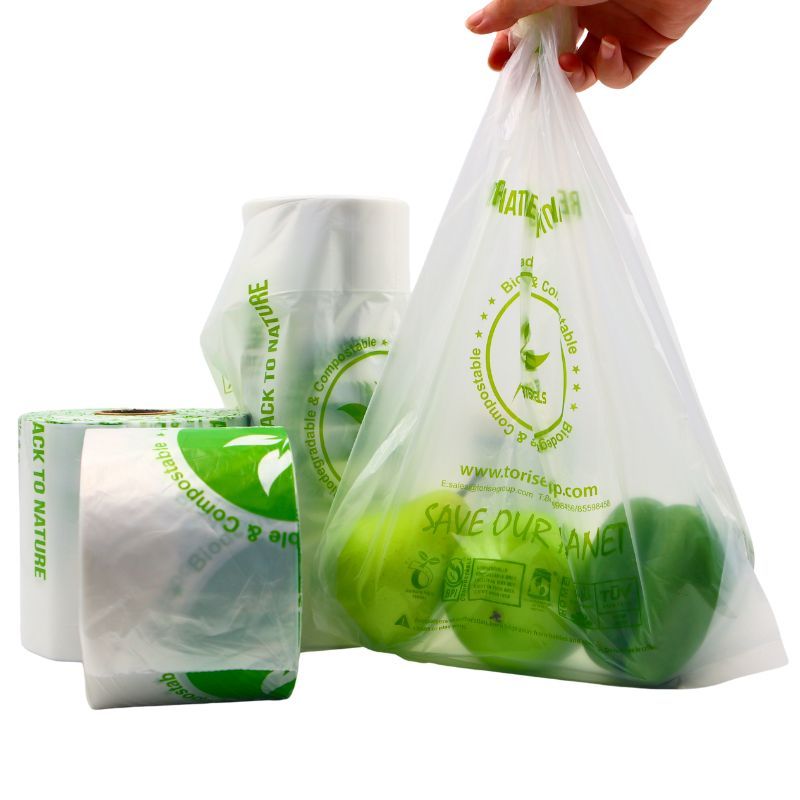
- Supermarket and grocery shopping bags: Prioritize carrying load, handle strength, tear resistance, and resistance to punctures from packaged goods.
- Retail checkout bags: Consider bag dimensions, handle design, printing requirements, and repeated handling during shopping.
- Lightweight carry bags: Focus on film consistency, sufficient strength for the intended load, and material efficiency.
- Custom-branded shopping bags: Confirm print quality, production specifications, minimum order quantities, and any required compostability certification.
A thicker bag is not automatically stronger or better. The finished design and material formulation must work together to meet the required performance.
4. Are Biodegradable Carry Bags Always Compostable?
No. Biodegradable and compostable are not interchangeable terms.
Biodegradation describes a process in which microorganisms break down material under suitable conditions. Compostability involves additional requirements, which may include biodegradation, disintegration, and limits on harmful substances under specified test conditions.
The result depends on the material formulation and the environment in which the bag is processed. A bag designed for industrial composting may not be suitable for home composting, and neither claim should be assumed without supporting evidence.
When purchasing compostable carry bags, check the finished product's applicable certification, such as EN 13432 or ASTM D6400 where relevant to the destination market. Confirm that the certification covers the actual product or formulation being supplied.
Also, do not assume that a bag made with bio-based materials is necessarily biodegradable. Bio-based describes the origin of a material, not automatically how it behaves at the end of its life.
5. How to Choose a Biodegradable Carry Bags Manufacturer
When comparing biodegradable carry bags manufacturers, focus on verifiable product information rather than environmental claims alone.
Ask these five questions:
- What is the material formulation? Confirm whether the bag uses PBAT, PLA, starch-based materials, or another blend.
- What load can the bag carry? Request specifications and test results relevant to the actual bag size and design.
- What certifications are available? Verify the applicable standard, product coverage, and supporting documents.
- Can the manufacturer customize the bag? Check available sizes, thicknesses, printing, handle styles, and packaging options.
- Can the manufacturer support bulk orders consistently? Discuss sample approval, quality control, production capacity, lead times, and minimum order quantities.
A qualified manufacturer should be able to explain why a particular formulation suits your application and provide evidence to support its product claims.
Torise: Biodegradable Carry Bags Manufacturer for B2B Buyers
With 15 years of experience in biodegradable and compostable packaging, Torise provides integrated R&D, manufacturing, and sales services for B2B customers. We work with supermarkets, retail brands, packaging distributors, and other commercial buyers, with over 300 business customers served.
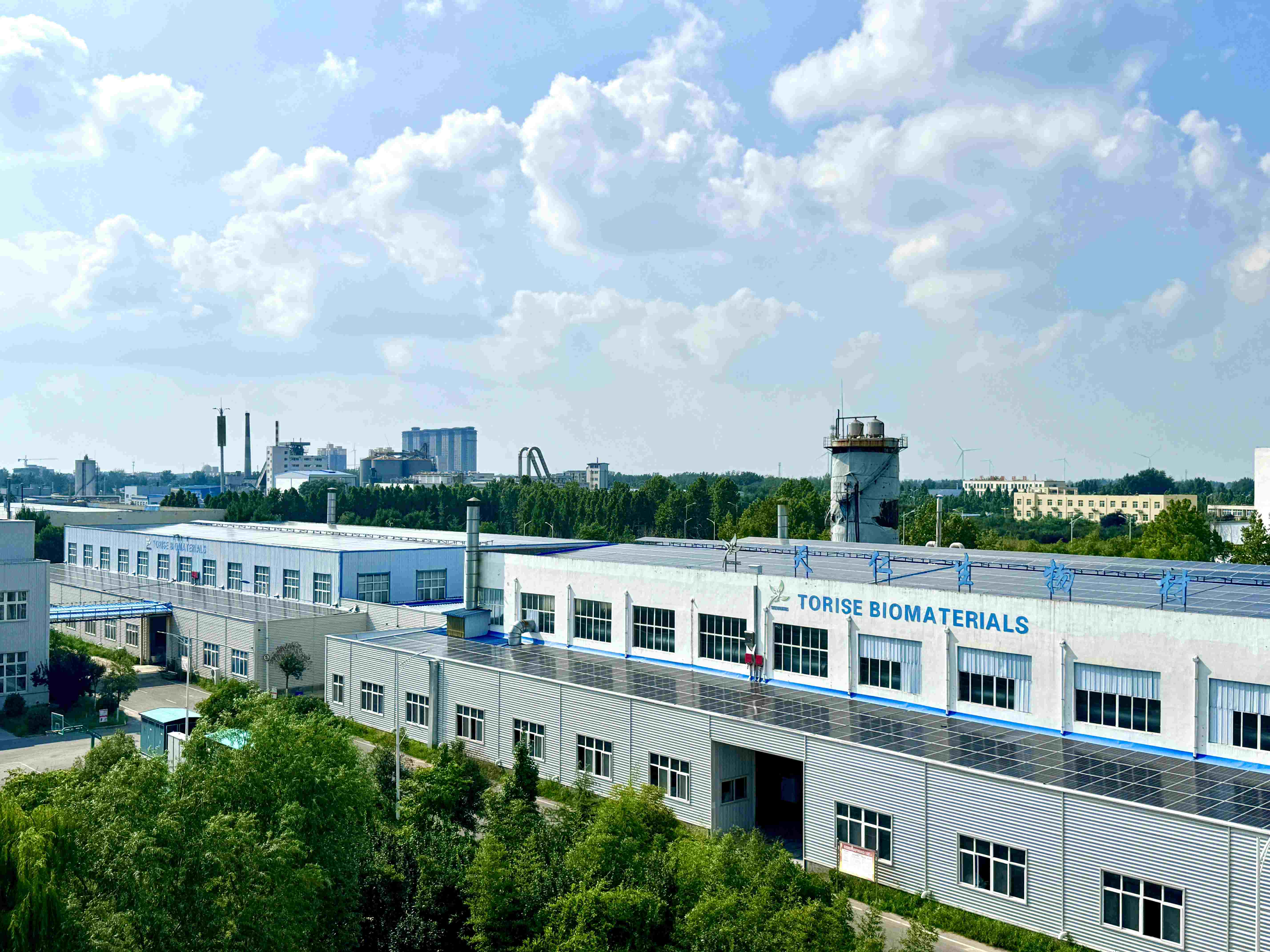
As a biodegradable carry bags manufacturer, Torise supports bulk orders and customized packaging solutions, including bag sizes, thicknesses, printing, and packaging specifications tailored to different market requirements.
We also provide relevant certification and testing documentation for applicable products. Depending on the product and market, our quality and compliance portfolio includes standards and programs such as EN 13432, ASTM D6400, OK compost, REACH, and ISCC PLUS. Certification availability and scope depend on the specific material, product configuration, and applicable requirements.
Whether you are sourcing biodegradable raw materials for your own production or finished biodegradable carry bags for wholesale distribution, Torise can help you evaluate suitable options based on your application, target specifications, and business needs.
Looking for a reliable biodegradable carry bags manufacturer? Contact Torise to discuss your requirements for bulk supply, custom production, and available certifications.