PHA, PBAT, PLA & More: A B2B Guide to Biodegradable Polymers (2026)
- Share
- publisher
- Lorien Zhao
- Issue Time
- Mar 18,2026
Summary
Confused by PLA vs. PBAT vs. PHA? This 2026 B2B guide explains 7 key biodegradable polymers (PHB, PBS, PCL, TPS) and why modified resins are the secret to durable, certified compostable bags. Learn how Torise’s compounding expertise balances tensile strength and cost-efficiency for eco-friendly packaging.
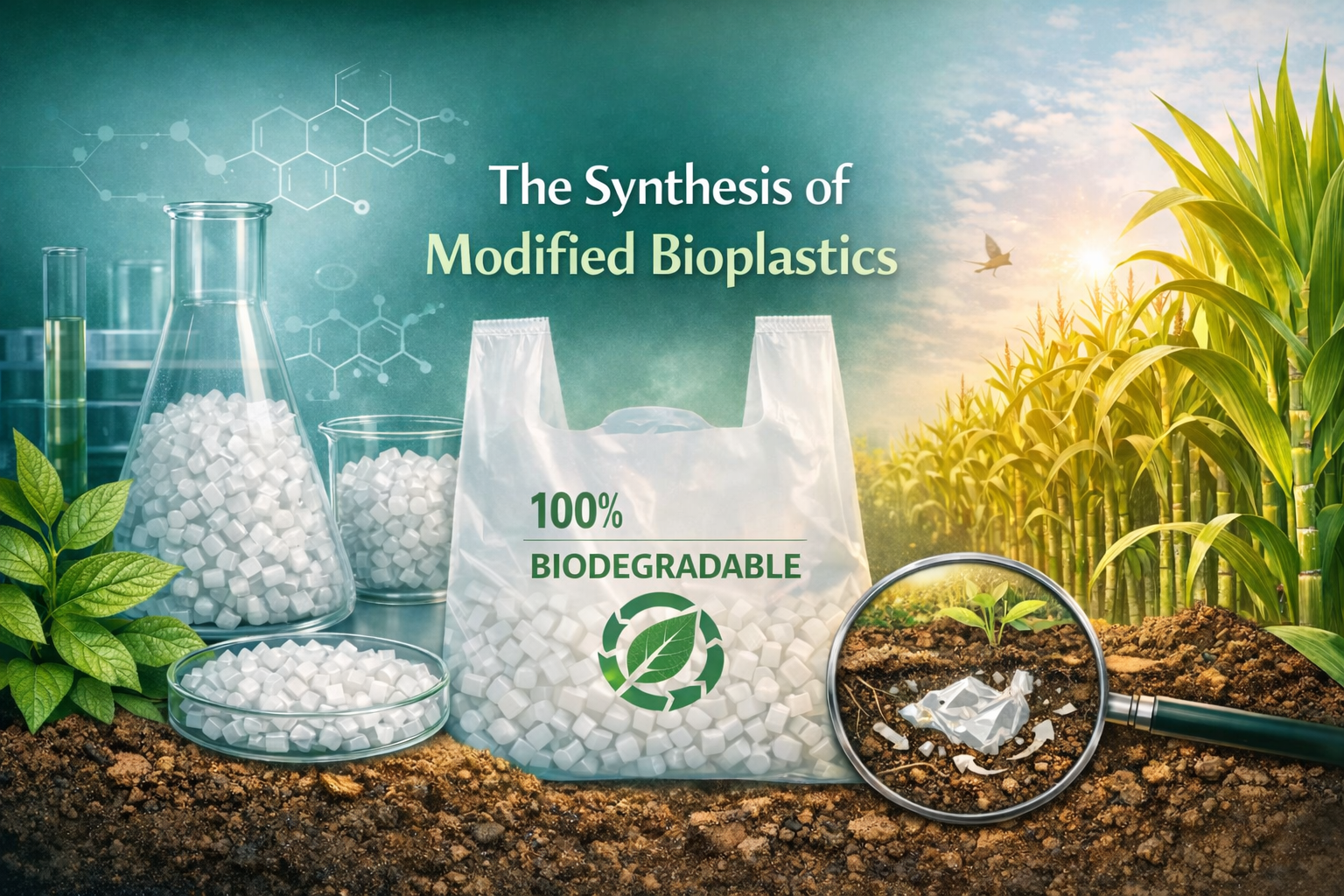
PHA, PHB, PBAT, PLA, PBS, PCL, and TPS Explained: The Ultimate Guide to Modified Bioplastics
In the fast-evolving world of sustainable packaging, terms like PLA vs PBAT vs PHA are no longer just laboratory jargon—they are the backbone of the next generation of fully biodegradable bags. However, as many manufacturers discover, simply knowing these materials isn't enough.
Why do some compostable bags tear easily while others feel like traditional plastic? The secret lies in the transition from pure polymers to modified biodegradable resins. In this guide, we will break down the properties of 7 key biopolymers—PHA, PHB, PBAT, PLA, PBS, PCL, and TPS—and explain why professional compounding is the key to creating durable, eco-friendly packaging solutions.
The Science: Comparison of 7 Major Biodegradable Polymers
Competitors often focus only on the performance of single raw materials. At Torise, we tell the full story: pure resins like PLA cannot be used directly to make bags—they must be modified through precise compounding to deliver real-world performance.
| Material | Origin (Base) | Biodegradability | Key Property | Typical Use (Pure) | Expert Insight for Bags |
|---|---|---|---|---|---|
| PLA | Bio-based (Corn) | Industrial Compost | High Stiffness, Clear | Cold Cups, 3D Filaments | Too brittle for bags. Needs PBAT modification. |
| PBAT | Fossil-based | Industrial/Home | High Flexibility | Mulch Films, Poly-mailers | The "Softener" for PLA in Shopping Bags. |
| PHA/PHB | Bio-based (Bacteria) | Marine/Soil | Moisture Resistance | Medical, Food Wraps | High-end; best for Home Compostable bags. |
| PBS | Bio/Fossil-based | Industrial/Home | Heat Resistance | Cutlery, Coffee Lids | Improves the heat-sealing strength of resins. |
| PCL | Fossil-based | Home Compost | Low Melting Point | Biomedical, Adhesives | Used as a processing aid to lower temperature. |
| TPS | Bio-based (Starch) | Home Compost | Low Cost, Hydrophilic | Fillers | Lowers the carbon footprint and cost of bags. |
Why Pure PLA Isn’t Enough for Bags? (The Importance of Compounding)
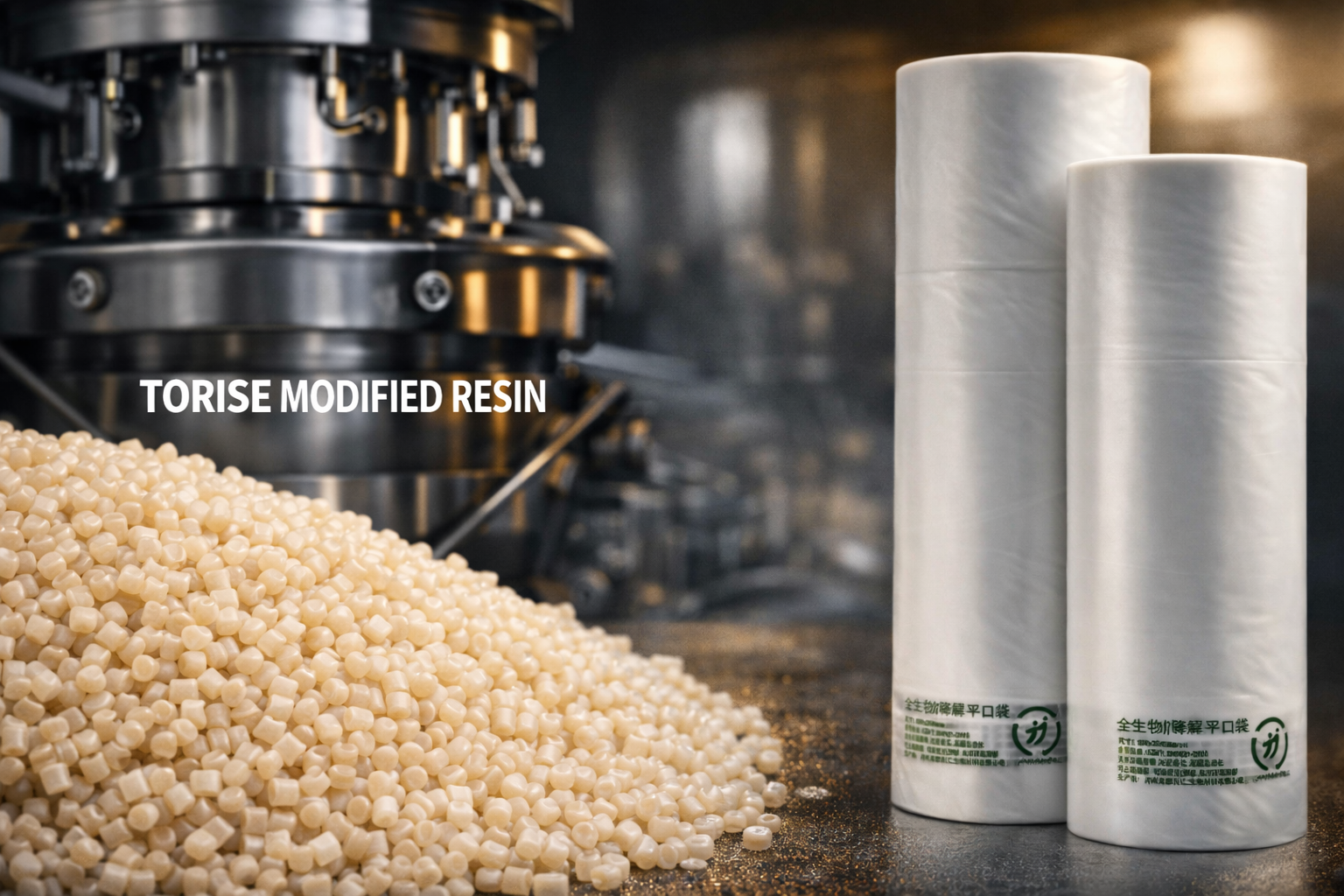
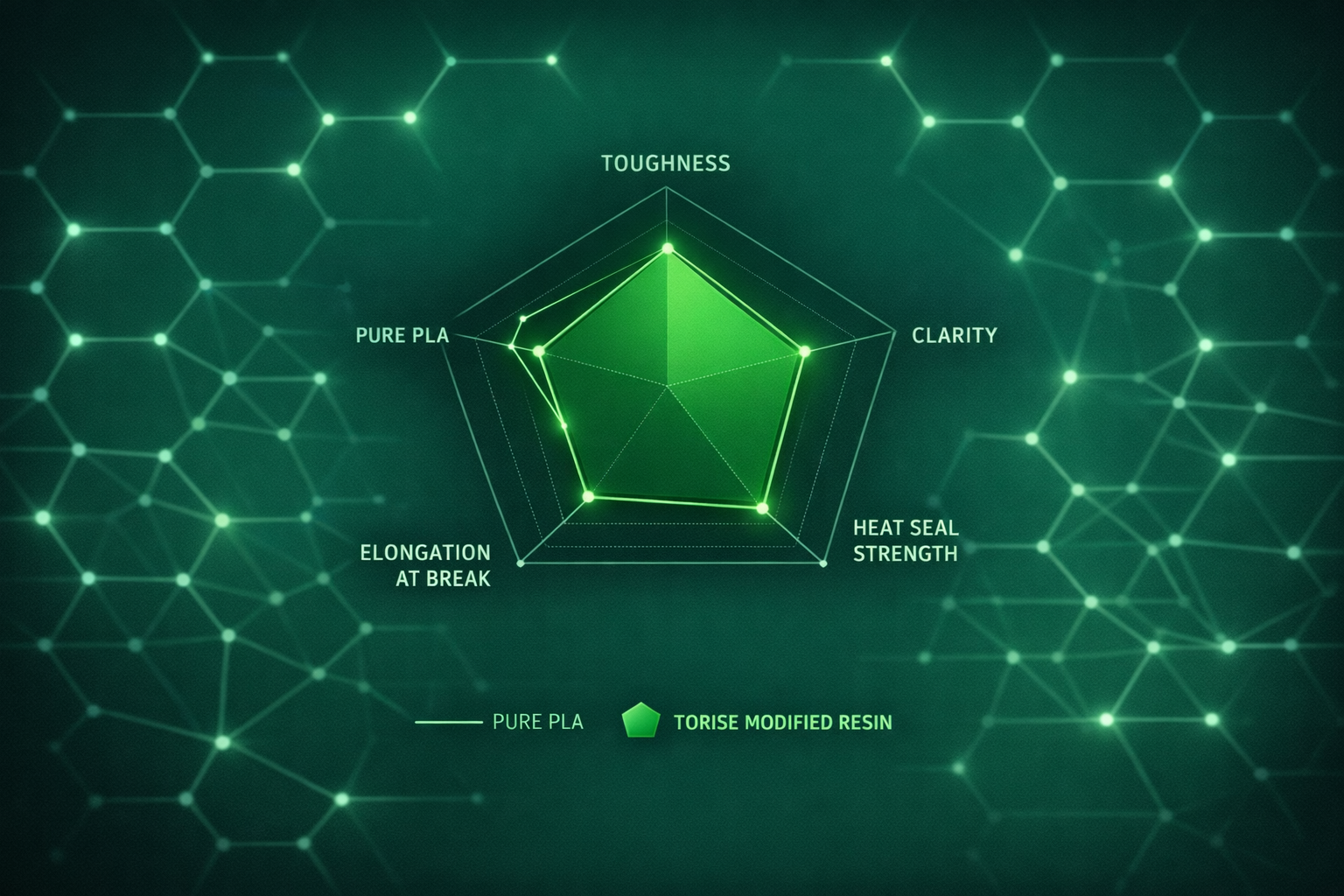
At Torise, we solve these problems through professional modification. By blending PLA + PBAT + TPS (and targeted additives), we achieve the perfect balance of tensile strength, elongation at break, heat-sealing performance, and optical clarity.
1. PLA (Polylactic Acid)
2. PBAT (Polybutylene Adipate-co-terephthalate)
3. PHA & PHB (Polyhydroxyalkanoates)
4. PBS (Polybutylene Succinate)
5. TPS (Thermoplastic Starch)
Beyond the Basics: Why Partner with a Modification Specialist?
Understanding the chemistry of PLA, PBAT, and PHA is just the beginning. For manufacturers and brands, the real challenge is consistently producing fully biodegradable bags that meet both performance standards and international regulations.
1. Precision Tailored Formulations
One size does not fit all. A T-shirt shopping bag requires different tear resistance than a heavy-duty garbage bag. We provide customized resin grades—adjusting the ratios of PLA, PBAT, and functional additives—to ensure your film blowing process is stable and your end product is flawless.
2. Certified Global Compliance
Navigating the "Green Claims" landscape can be tricky. All our modified resins and finished bags are tested to meet the world’s most stringent compostability standards, including:
3. Cost-Effective Sustainability
By optimizing the use of TPS (Thermoplastic Starch) and other high-performance additives, we help you lower the overall material cost without compromising the "fully biodegradable" integrity of your brand.