How to Properly Dispose of Compostable Bags: A B2B & Consumer Guide
- Share
- publisher
- Rachel
- Issue Time
- Oct 26,2026
Summary
Learn how to dispose of compostable bags correctly, understand home vs. industrial composting, and check local waste collection rules.
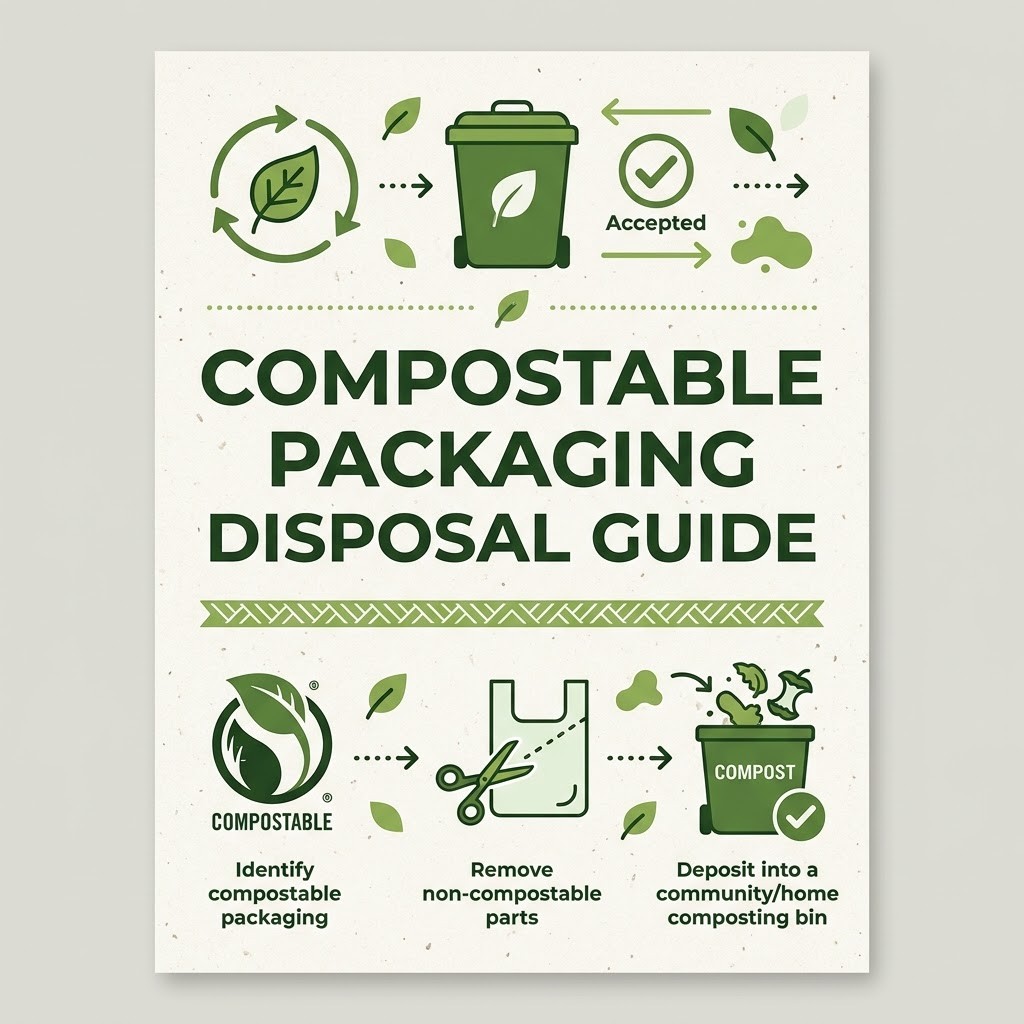
Compostable Packaging Guide
How to Properly Dispose of Compostable Packaging: A B2B & Consumer Guide
Choosing certified compostable packaging is only part of the process. To get the intended end-of-life benefit, packaging must be sent to a suitable composting system that accepts it.
Whether you are a consumer sorting household waste or a packaging buyer planning disposal instructions, the key is to check the certification, separate non-compostable components, and follow local waste collection rules.
Compostable packaging is designed to biodegrade and disintegrate under specified composting conditions. However, industrial compostability does not automatically mean home compostability, and neither claim guarantees acceptance in every local organic waste collection program.
The practical rule is simple: check the product certification first, then check which disposal routes are actually available in your area.
1. Check the Certification: Home vs. Industrial Composting
Look for the certification mark and confirm the exact product or packaging covered by it. Terms such as “eco-friendly,” “bio-based,” and “biodegradable” do not, on their own, establish that an item is suitable for composting.
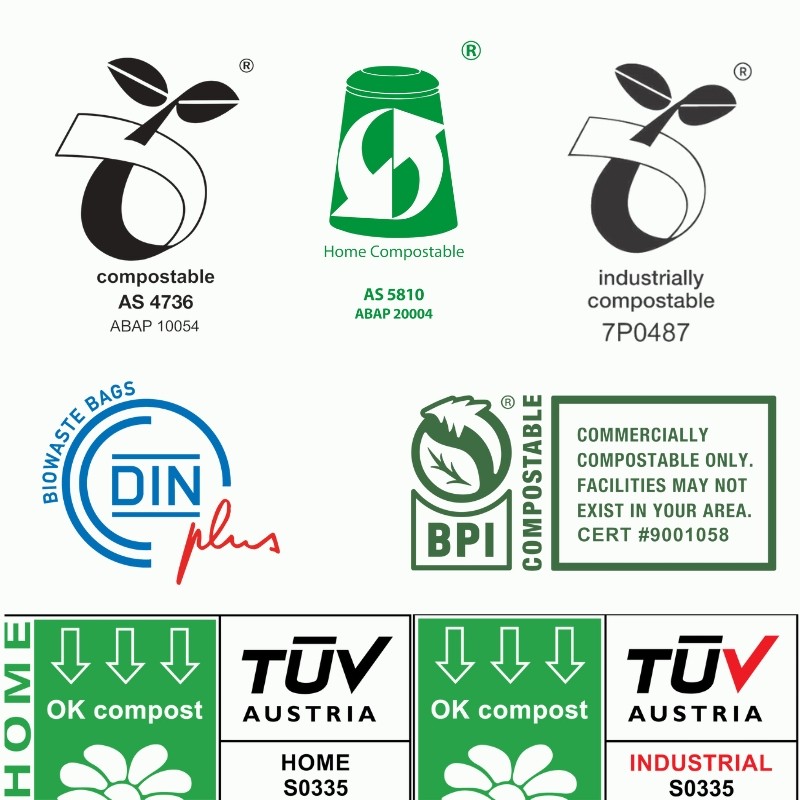
| Standard / Certification | What It Indicates | Disposal Guidance |
|---|---|---|
| EN 13432 | Requirements for the compostability of packaging under industrial composting conditions. | Use an industrial composting route only where the facility accepts the packaging. |
| BPI Certification | Commercial compostability certification based on applicable ASTM requirements. Some products may also have separate home compostability certification. | Check local commercial composting acceptance before placing it in an organics bin. |
| OK compost HOME | Indicates suitability for home composting under the certification scheme's test conditions. | Home composting may be suitable. Follow the product instructions and local rules. |
| OK compost INDUSTRIAL | Indicates suitability for industrial composting under the certification scheme's requirements. | Do not assume it is suitable for a backyard compost heap. |
| AS 5810 | An Australian standard for plastics suitable for home composting. | Follow the product instructions and confirm any applicable local requirements. |
Important: Certification describes performance against defined requirements; it does not guarantee that a local composting facility will accept the product. Acceptance rules vary by location and waste contractor.
2. Choose the Correct Disposal Route
Garden pile or compost tumbler
If local curbside accepts bioplastics
Green bin or food scrap collection
Waste-to-Energy / incineration
Start with the product label. Then follow the route that matches the certification and the waste services available to you.
Home Compost Certified
Example: OK compost HOME or an applicable home-compostability certification.
Check the packaging instructions and remove non-compostable labels, tape, closures, or other components where required.
Possible route: Home compost heap or bin.
Industrial Compost Certified
Example: OK compost INDUSTRIAL or packaging certified to EN 13432.
Confirm that your local organics collection program or commercial composting facility accepts the specific packaging.
Possible route: Approved commercial composting collection.
Option A: Home Composting
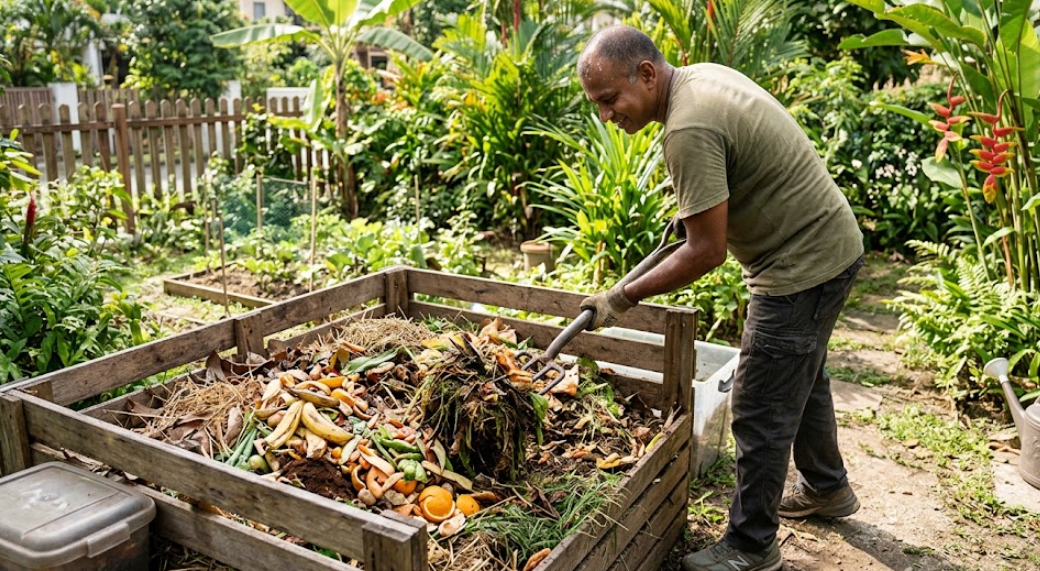
If the product is certified for home composting, follow the manufacturer's disposal instructions and the conditions required by the certification.
- Remove non-compostable parts. Separate conventional shipping labels, plastic tape, zippers, or other components unless they are confirmed suitable for the same composting route.
- Cut larger items into smaller pieces if appropriate. This can increase surface area and help the material break down, but it does not replace the need for suitable composting conditions.
- Maintain a balanced compost heap. Combine suitable compostable materials with appropriate green and brown compost feedstocks.
- Maintain moisture and aeration. Follow good home composting practice and allow sufficient time. Actual breakdown depends on the material, temperature, moisture, and composting conditions.
Do not assume a fixed decomposition time. Certification test periods are not a guarantee that every backyard compost heap will produce the same result within that period.
Option B: Industrial or Commercial Composting
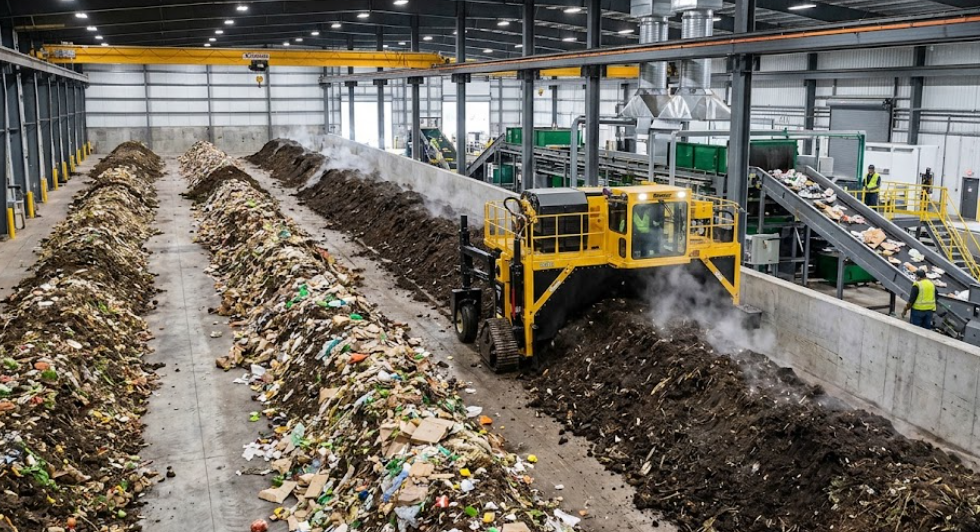
Industrially compostable packaging is intended for controlled composting conditions. Before using a municipal organics bin, confirm that the local program accepts compostable plastic packaging, not just food scraps and garden waste.
- Check local acceptance rules. Review your municipal waste guidance or contact the waste contractor or composting facility.
- Use the designated collection route. Place the packaging in the approved organics or food-waste collection only when the program explicitly permits it.
- Keep it out of conventional plastic recycling unless specifically instructed otherwise. Compostable plastic packaging should not be assumed compatible with standard PE, PET, or other conventional plastic recycling streams.
Key point: A compostability certificate does not override the local waste collection rules. If a facility does not accept the item, use the alternative disposal route specified by the local authority or product instructions.
3. What If Composting Is Not Available?
If there is no suitable home or industrial composting route, check your local waste guidance and the packaging instructions. Where compostable packaging is not accepted for composting, general waste may be the appropriate available route.
Do not place compostable packaging in conventional plastic recycling simply because it resembles a recyclable plastic bag. Only use a recycling route if the local program explicitly accepts that product type.
Never litter compostable packaging. Compostability does not mean a product will quickly disappear in rivers, oceans, or the natural environment. Marine or soil biodegradability is a separate claim requiring appropriate evidence.
4. B2B Sourcing: Plan for the End of Life
For brands, distributors, e-commerce businesses, and foodservice operators, disposal guidance should be considered during packaging selection, not added as an afterthought.
What Packaging Buyers Should Check
- Verify the exact product certification. Check whether documentation covers the finished bag or package, rather than only the raw material or resin.
- Match the packaging to the target market. Confirm applicable standards, customer specifications, and local disposal infrastructure.
- Provide clear on-pack instructions. Where appropriate, use specific language such as “Industrial Composting Only” and avoid implying home compostability unless the product is certified for that purpose.
- Check every component. Labels, inks, adhesives, closures, and other components may affect the overall packaging claim and disposal instructions.
- Keep relevant documentation available. Maintain current certificates, product specifications, and supporting test reports for the exact packaging configuration.
For procurement teams: Sustainable packaging selection should consider material performance, certification scope, market requirements, and the realistic end-of-life route together.
Torise supplies compostable raw materials and finished packaging products for different applications. Certification availability depends on the material, product configuration, and applicable requirements. Buyers should confirm the relevant documentation for each specific product.
Quick Reference: How to Dispose of Compostable Packaging
| Packaging Type | What to Check | Disposal Guidance |
|---|---|---|
| Compostable Produce Bags or Compostable Trash Bags | Home or industrial compostability certification. | Use the corresponding composting route only if accepted locally. |
| Compostable Mailers or Courier Bags | Certification for the finished mailer and all relevant components. | Follow the certified disposal conditions; do not assume all municipal organics programs accept them. |
| Recyclable PE Bags | Recyclability claims, material type, and local recycling acceptance. | Use a suitable plastic recycling program where accepted. |
| PCR Plastic Bags | Recycled content and whether the material is also recyclable. | Follow the local recycling rules for the specific polymer and product. |
| Laminated or Multi-Material Food Bags | All layers, coatings, adhesives, and applicable product claims. | Use only a disposal route supported by the complete package's properties and local acceptance rules. |
The table provides general guidance. Always follow the product label and local waste management instructions.
Frequently Asked Questions
Can all compostable bags go in a home compost bin?
No. Only products suitable for home composting should be considered for a backyard compost heap. Industrially compostable bags may require higher and more controlled temperatures.
Can certified compostable packaging go in a food-waste bin?
Only if the local food-waste or organics collection program accepts that specific type of compostable packaging. Acceptance varies by location and facility.
Can compostable plastic bags be recycled with PE or PET plastics?
Do not assume they can. Compostable packaging should be kept out of conventional plastic recycling streams unless the local program explicitly accepts it.
What if no composting facility is available?
Check local waste guidance and the packaging instructions. If no suitable composting route is available, general waste may be the appropriate local option. Avoid littering or placing the item in an unsuitable recycling stream.
Looking for Compostable Packaging for Your Market?
Torise works with buyers seeking compostable raw materials and finished packaging solutions. Discuss your application, target market, product specifications, and documentation requirements with our team.