Are Biodegradable Bags Compostable? A Practical Guide for Buyers
- Share
- publisher
- Rachel
- Issue Time
- Nov 9,2026
Summary
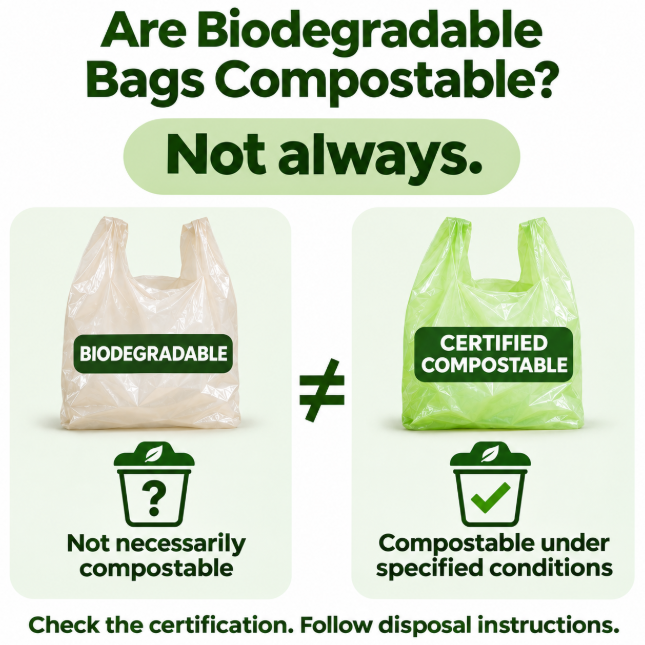
Not necessarily. Biodegradable bags are compostable only when they meet the requirements for a defined composting environment.
Are Biodegradable Bags Compostable? A Practical Guide for Buyers
Not necessarily. Biodegradable bags are compostable only when they meet the requirements for a defined composting environment. “Biodegradable” alone does not establish how quickly a bag breaks down, under what conditions, or whether it is suitable for a compost bin. Certified compostable bags are biodegradable under their specified conditions; the reverse is not automatically true.
For B2B buyers, this affects specifications, packaging claims and disposal instructions. Ask: What evidence covers this exact bag, and where can customers actually compost it?
Biodegradable vs. Compostable Bags: What Changes?
| Term or claim | What it tells buyers | What it does not establish |
|---|---|---|
| Biodegradable | Microorganisms can break down the material under particular conditions | Compostability without evidence of the environment and timeframe |
| Industrially compostable | Meets defined requirements for managed industrial composting | Suitability for a home compost pile |
| Home compostable | Meets a specific home-compostability scheme | Breakdown in the ocean, roadside soil or landfill |
| Bio-based | Describes the material’s biological feedstock origin | Whether the finished bag is compostable |
A cornstarch ingredient list is therefore not enough. Neither is a photograph showing a bag cracking into pieces. Fragmentation and verified biodegradation are different outcomes.
Why Aren't All Biodegradable Bags Compostable?
Biodegradation depends on temperature, moisture, oxygen, microbial activity, material composition and bag thickness. A material that biodegrades in one environment may remain intact much longer in another.
Compostability adds defined requirements for biodegradation, disintegration, chemical composition and compost quality under specified conditions. A biodegradable claim alone does not establish suitability for industrial or home composting.
How Do Different Materials Affect Compostability?
| Material | What Buyers Should Check |
|---|---|
| PBAT | A biodegradable polyester used for flexibility and toughness. Verify the finished blend’s compostability, including its thickness and additives. |
| PLA | A bio-based polyester providing stiffness. Many conventional PLA grades require industrial composting conditions; verify the finished product’s certification. |
| Corn Starch | A renewable ingredient used in some blends. Starch content alone does not establish compostability; other polymers and additives also matter. |
| Conventional PE | Not compostable. Bio-based PE has essentially the same polymer structure: bio-based does not automatically mean biodegradable or compostable. |
PBAT, PLA and starch can be blended to balance strength and flexibility. A raw material certificate does not replace evidence covering the finished bag. Match documentation to its formulation, thickness, composting environment and certification scope.
What Does EN 13432 Actually Demonstrate?
EN 13432 is a European standard for packaging recoverable through industrial composting and biodegradation. Its assessment goes beyond whether the material visibly disappears: it addresses biodegradation, disintegration, chemical characteristics and effects on compost quality.
Under specified testing conditions, requirements include at least 90% biodegradation within six months and disintegration within 12 weeks. These are controlled assessment periods, not a promise that every bag will disappear within those times in any composting facility.
DIN CERTCO explains that registered starting materials can reduce testing for finished-product certification; the finished product still needs appropriate certification.
Which Certifications Matter—and for What?
A supplier’s certification portfolio is useful only when each credential is matched to the claim it supports.
| Image | Standard or certification | Relevant purchasing question |
|---|---|---|
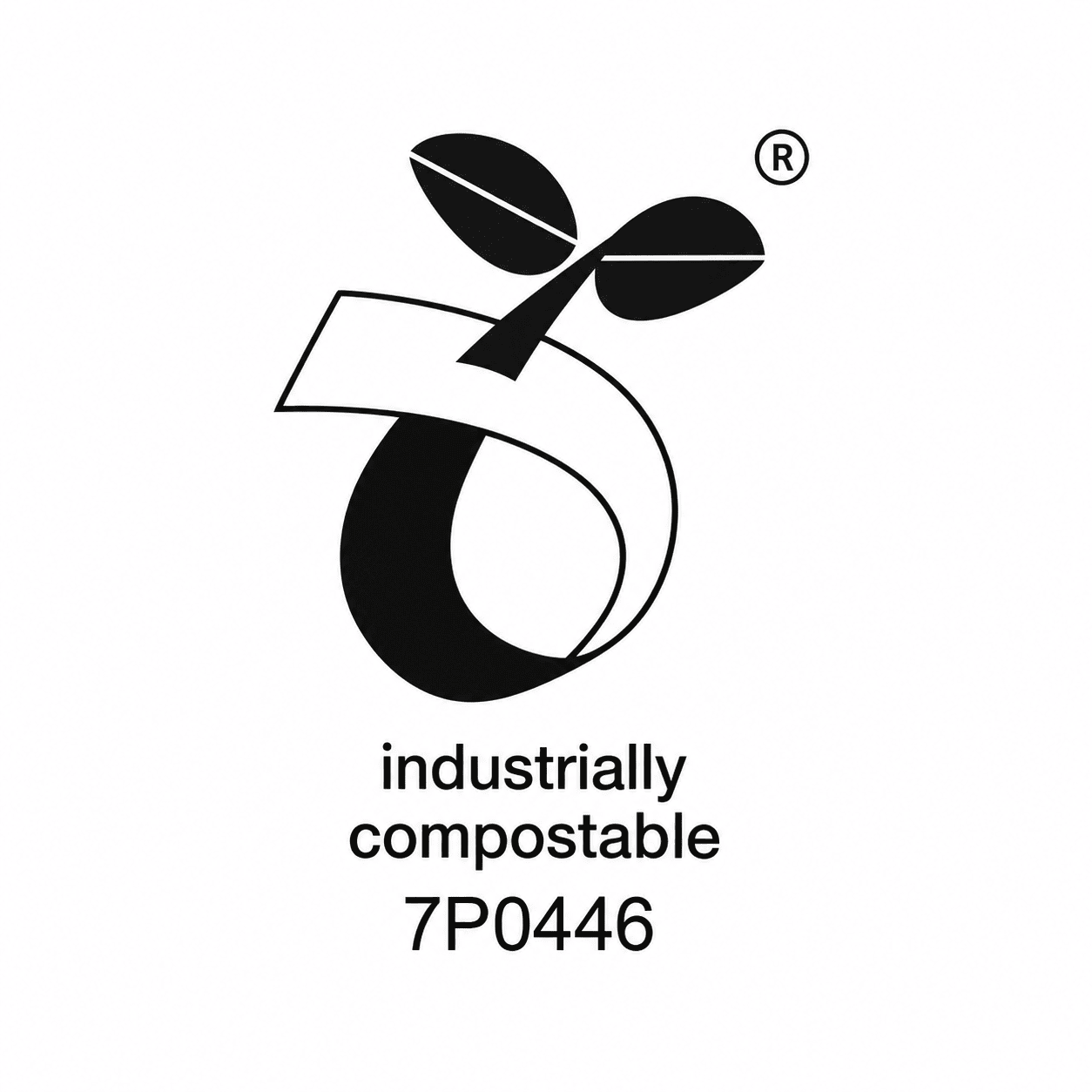 | EN 13432 | Does the packaging meet industrial-compostability requirements? |
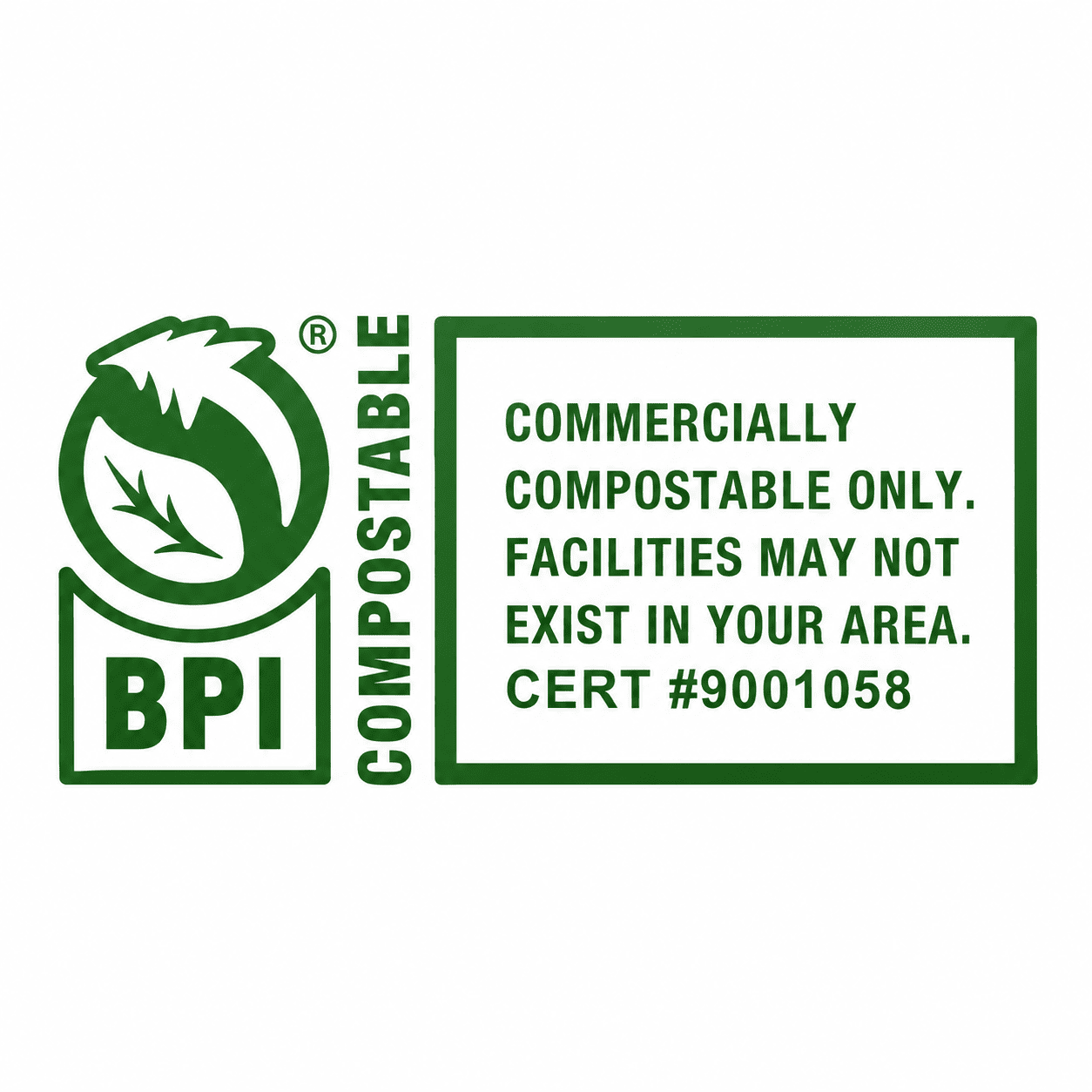 | BPI | Is the specific product listed under the relevant BPI compostability certification? |
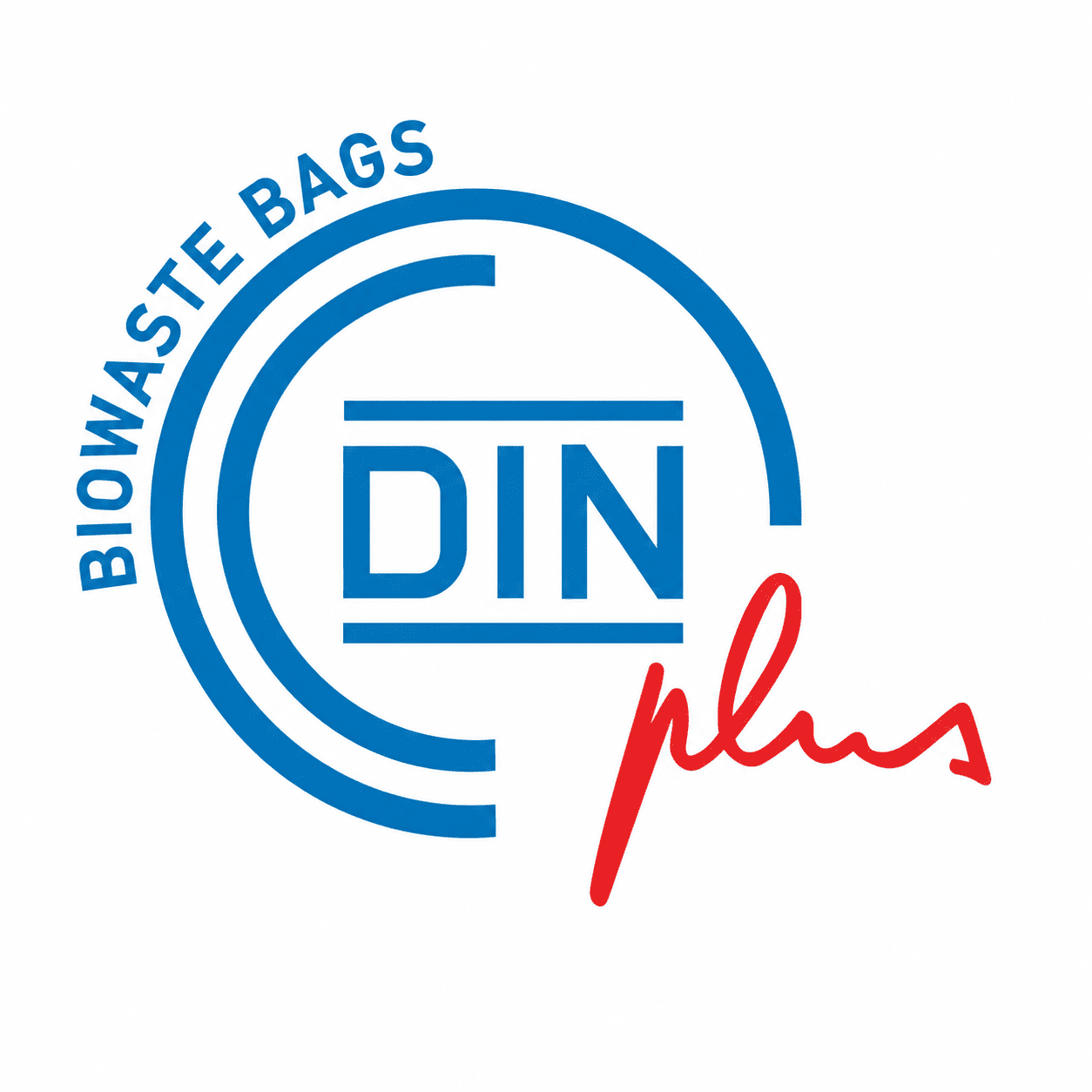 | DIN CERTCO | Which product, standard and composting environment does the certificate cover? |
 | FSC | Are the applicable paper packaging materials covered by verified forest-based sourcing and chain-of-custody controls? |
 | ISCC PLUS | Are applicable alternative feedstocks supported by supply-chain traceability and the declared chain-of-custody approach? |
Check BPI’s product catalog for the relevant listing. FSC and ISCC PLUS support sourcing or traceability claims; neither proves plastic-bag compostability.
Torise’s published certification portfolio includes BPI, EN 13432, FSC and ISCC PLUS. Buyers working with Torise as a custom compostable bag manufacturer should request current documents covering their chosen bag and retail packaging.
Five Checks Before Placing a Bulk Order
1. Match the certificate to the specification.
Ask the supplier to identify the covered product, formulation, maximum thickness and applicable components. A certificate for another bag should trigger further checking.
2. Verify the certification record.
Check the certificate holder, registration number, validity and product listing. Keep the evidence with the approved specification.
3. Confirm the disposal route.
Contact the receiving organics program or composter. Ask whether it accepts that particular bag and its intended contents. Certification and local acceptance are separate purchasing checks.
4. Approve the finished artwork.
Specify the composting environment and appropriate disposal instruction. For BPI private-label products, address sublicensing and mark-use requirements before printing.
5. Test practical performance.
Evaluate samples for load capacity, leakage, seal strength and dispensing. Agree on storage conditions and shelf life before planning inventory.
Can Biodegradable Bags Go in Home Compost?
Only use bags with evidence specifically supporting home composting. Industrial certification does not establish home-compostability performance. Likewise, compostability should not be extended into unsupported claims about marine, soil or landfill degradation.
For a food-waste liner project, establish the collection destination first. Then specify the certification, dimensions, thickness and performance needed for that system.
What Should You Send a Manufacturer?
When comparing a biodegradable plastic bag manufacturer, send your destination market, application, dimensions, thickness, order quantity, artwork and intended disposal route.
Request a specification-based quotation, certification documents and production-representative samples to compare suppliers and support clear disposal claims.